
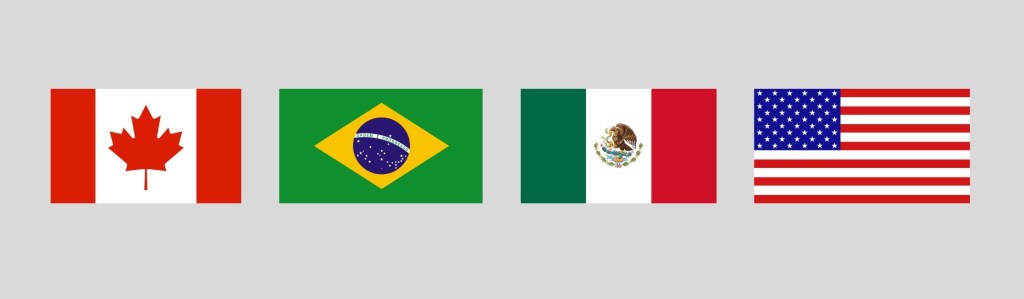
I’ve barely recovered from the most intense, amazing, energizing-yet-exhausting 10 days of our first residency of the Americas MBA program, which took place here in Vancouver. As described on the SFU website:
The Americas MBA for Executives is an optional stream that gives EMBA students in their second year the opportunity to study relevant management issues at universities in Canada, Brazil, Mexico and the USA, the four largest economies in the Americas.
The elective responds to a growing need among companies and students for business instruction focused more deeply around concerns specific to the Americas markets. In this stream, you’ll prepare a significant company-based strategic analysis as your capstone project, to demonstrate the depth and breadth of your enhanced capacities.
https://beedie.sfu.ca/programs/graduate/executive-mba/americas-mba
This option was the draw for me to choose SFU’s EMBA program – an opportunity to travel and meeting new people while learning? Yes please!
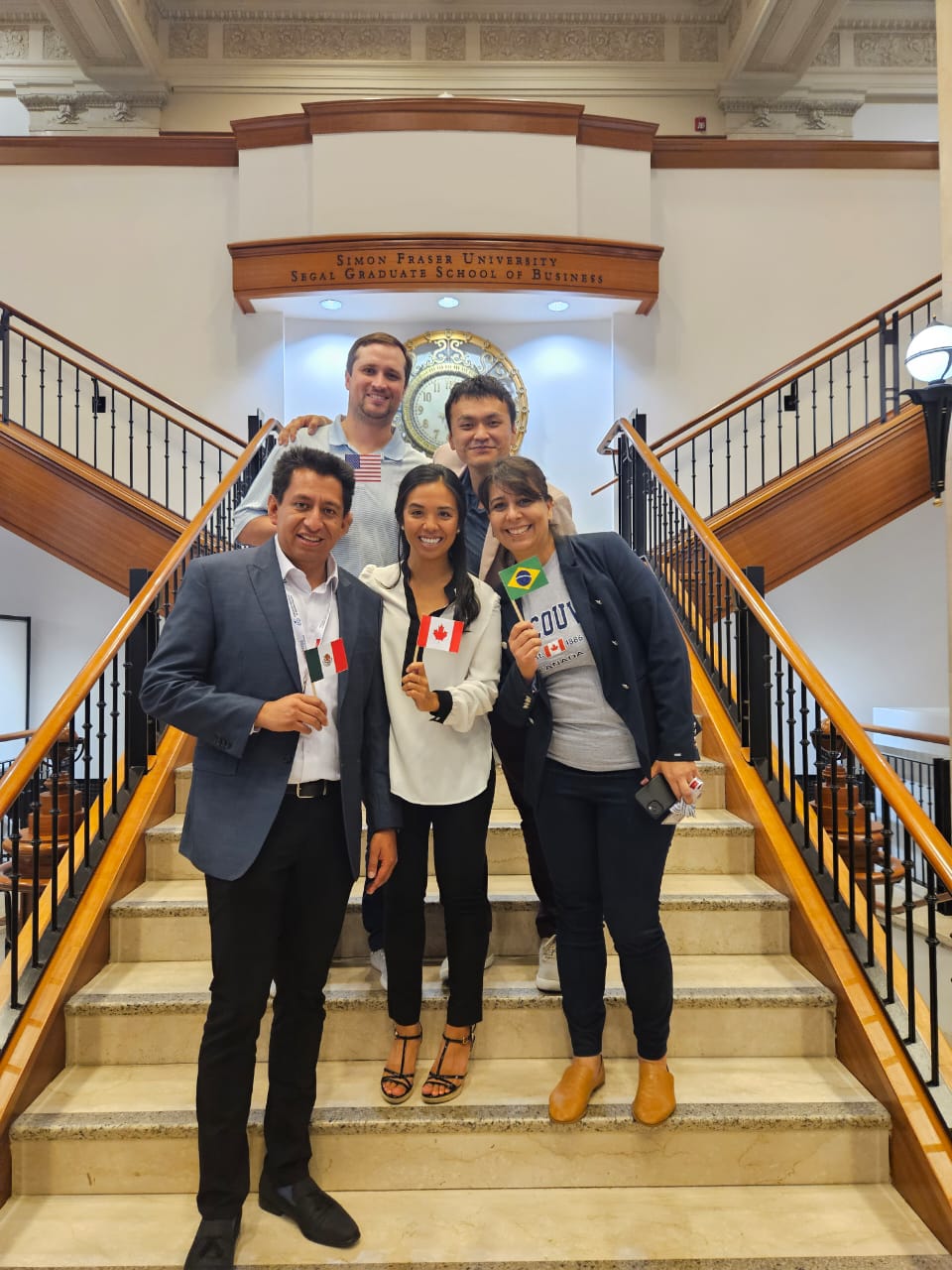
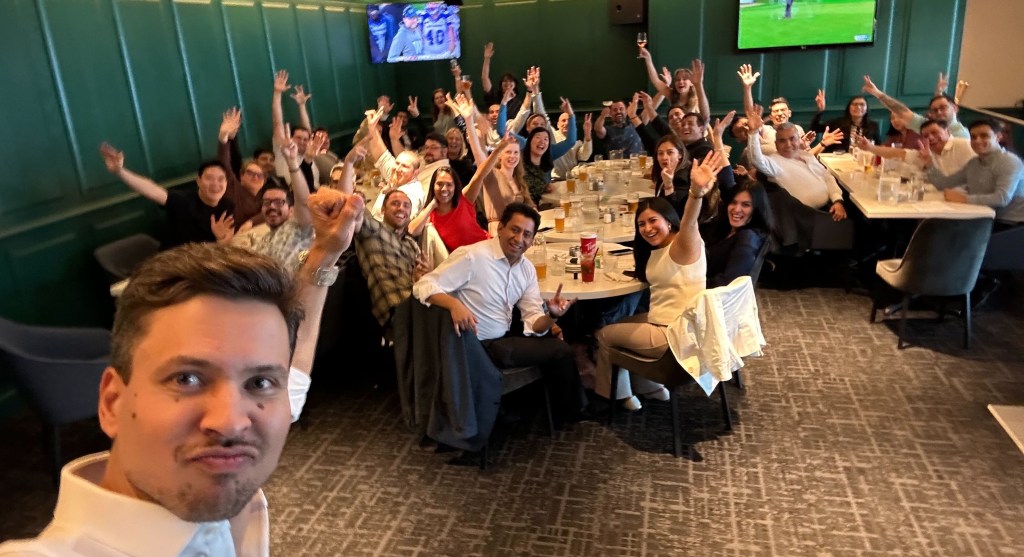
Students from SFU (Canada), FIA (Brazil), ITAM (Mexico), and Vanderbilt (USA) – converged at the Segal Building in downtown Vancouver for a week+ of learning, connecting, and fun.
Our typical schedule for 9 days (first and last days were shorter):
- 8-830am: breakfast
- 830am-1230pm: class
- 1230-2pm: lunch
- 2-6pm: class
- 6pm onward: social activities
It was PACKED with more activities than I can describe, so here are my top takeaways from our Americas Vancouver residency.
1) Cross-cultural business is much more than managing timezones
I can hear all y’all through the screen…. “of course it’s more than that.” But why is it more than that? How have cultural differences come to be?
The residencies function as a condensed learning experience, where we have two concentrated courses each residency. One of the first courses was Cross-Cultural Management. Using theoretical concepts, research, book suggestions, and lively discussions, Dr. Mila Lazarova helped us understand some of the contributing factors to why certain cultures are the way they are. This was a perfect way to start the Americas stream as 40+ students from 4 countries were learning how to work together. Factors that stuck out to me:
- Climate effects on perceptions of time: cultures that have short harvest seasons tend to be more organized; cultures where harvesting is available year-round tend to be more relaxed regarding time
- Historical influences on average levels of trust: people from cultures with a high level of crime, lower income level, and a questionable history of government dependability will have lower propensity to trust new people
- A culture’s ‘tightness’ (homogeneity) is influenced by security and resources. Cultures that have a history of being under threat, and/or where resources are scarce, tend to have tighter cultures.
2) Most companies don’t have a clear strategy
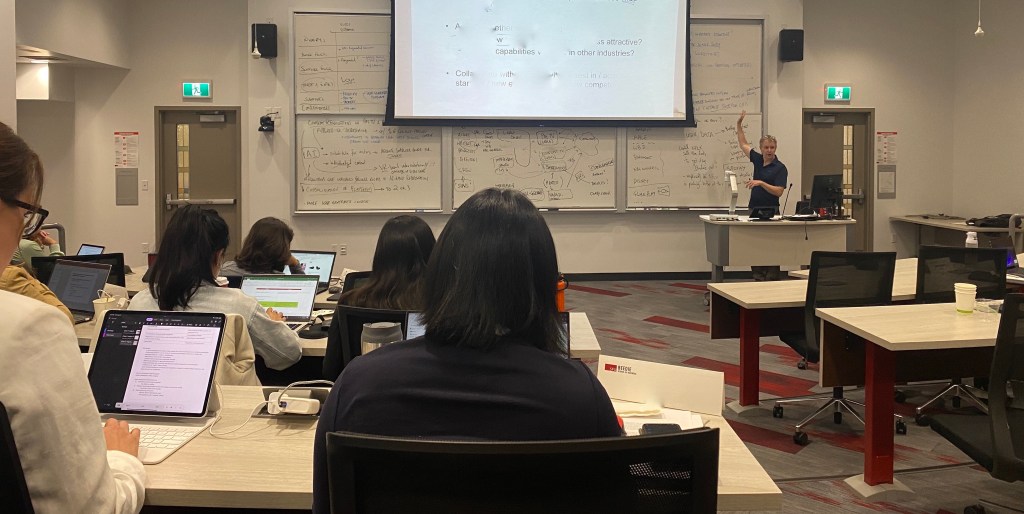
Strategy was the major academic course that we did this residency. We spent seven packed classes with Dr. Andrew Von Nordenflycht, who used fascinating case studies on Netflix, Ryan Air (European airline), Sunrise Medical (American wheelchairs), Yushan (Chinese Bikes), and Montes Calcados (Brazilian shoes) to help us understand how to assess, evaluate, and develop corporate strategies.
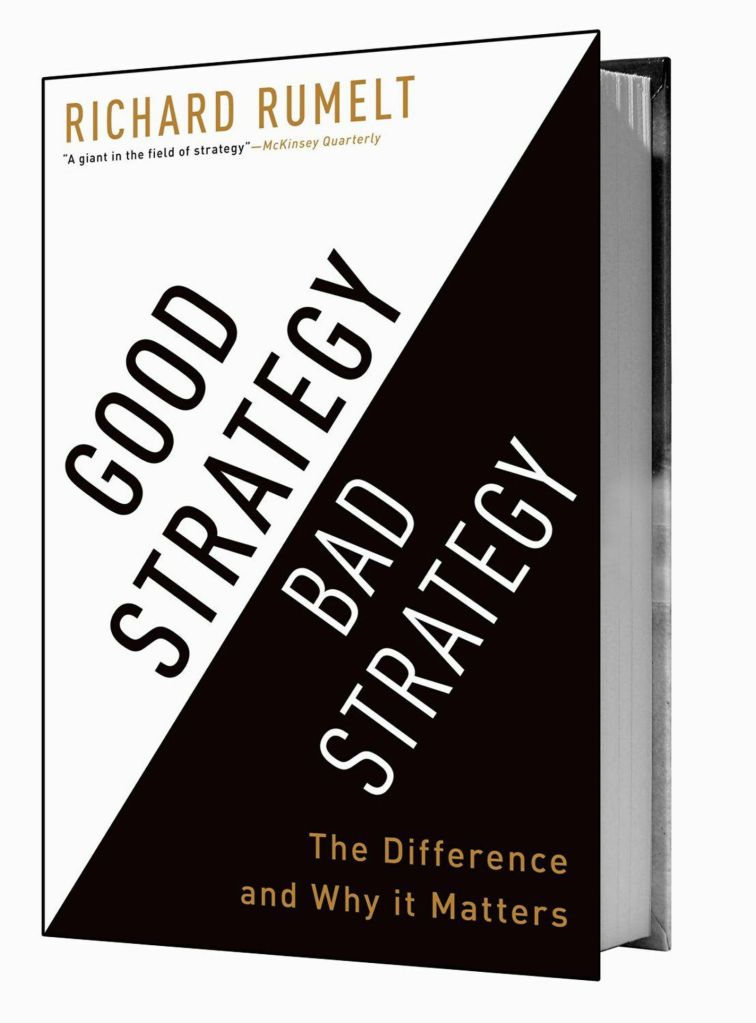
As we learned in class, most companies mistake fluffy, visionary notions for strategy. A good strategy starts with a clear diagnosis, clarifies ‘guiding principles’, finds a leverage point, and develops a set of coordinated actions to help the organization reach its goals.
Highly recommended book that helped clarify this:
3) Interactive teaching is an art
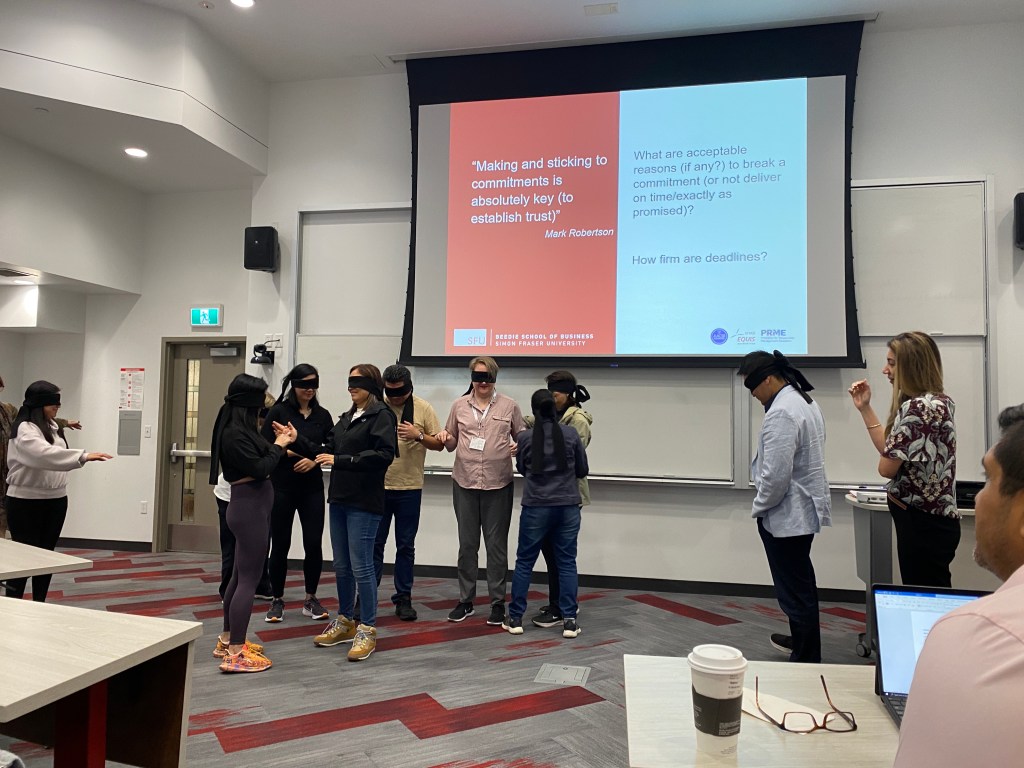
In their own ways, Andrew and Mila were able to engage the classes in a non-intimidating way. They used a mix of workshops, simulations, class discussions, questions, YouTube videos, self-assessments and assignments to hold our attention and get us thinking.
At the meta level, this was highly valuable for me as an educator – teaching workshops (especially online ones) is challenging to balance information delivery, energizing experience, and impactful learning. I’m appreciative of the immersive experience in the classroom of two highly skilled professors.
4) I got ‘who’ luck
Jim Collins described ‘who’ luck as chance encounters with people who support you and change the trajectory of your life. Although the Americas year has just started, I definitely think I got ‘who’ luck through the team assignments. For the next year, I’m joined by 4 wonderfully intelligent, kind, funny, humble, and ambitious humans with our amazing capstone coach, Dr. Samantha Mazerro from Brazil. We’ll be working together on various class assignments throughout the year, but most significantly, our 6-month capstone project where we work with Sanofi to aim to improve the basic vaccination rates of infants in Brazil.
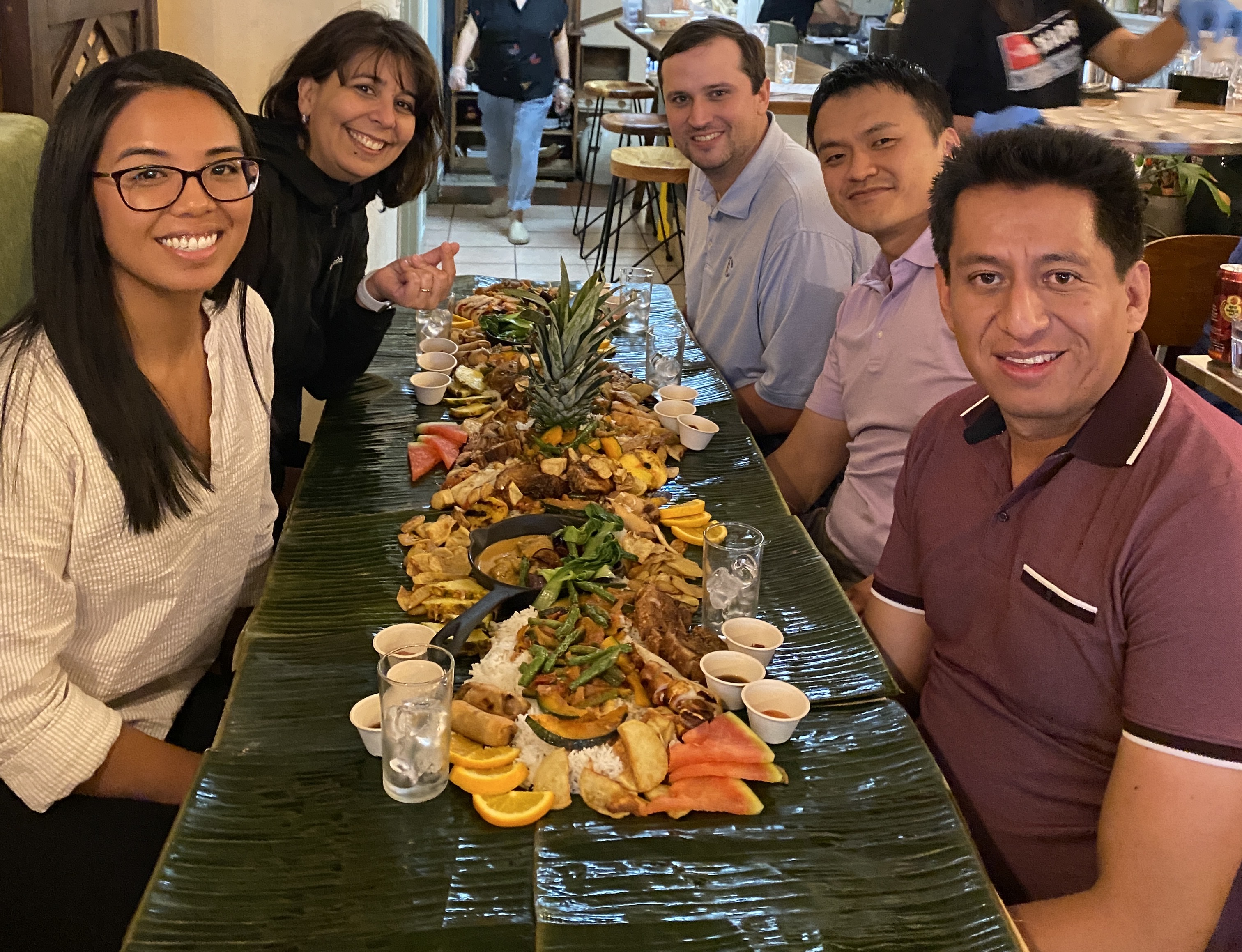
We had an opportunity to go for a team dinner, and after trying to find a very ‘Vancouver’ experience, we landed on Filipino food – we learned that although there are many, many Filipinos in Canada, there are very few in Mexico and Brazil. We ventured to Kulinarya on Commercial Drive and experienced ‘kamayan’ where we ate with our hands from a very generous family-style meal served on banana leaves. This dedicated team time helped us cross that awkward ‘hi what’s your name’ phase, and jump right into story-telling and laughs.
5) I’m not 25 years old anymore
I can’t sleep for only 3-6 hours per night and mentally function.
I can’t go out for dinner and drinks 10 days in a row.
I definitely can’t thrive after partying at The Roxy (twice in one week). It took me a full week to feel like myself again, physically and mentally.
But the late nights and socializing certainly solidified friendships and has set the dynamics for our remaining three residencies. We’re definitely looking forward to our coming travels.
Next stop in October: São Paulo, Brazil!
—
Join me in the classroom of life!
 Andrea Gets Schooled
Leave a comment